
The Invisible Market: Why Italy’s Best Luxury Real Estate Never Appears Online
The digital democratization of global real estate has created a compelling but fundamentally flawed illusion: the premise that comprehensive market inventory is visible on a public screen. For institutional investors and high-net-worth individuals evaluating the Italian peninsular market, relying on commercial aggregates and public property portals yields a heavily distorted view of true asset availability. The premium tier of the market operates on an inverted structural logic, where the value of a trophy asset is directly proportional to its invisibility. Navigating the sphere of off market luxury real estate italy requires moving beyond consumer-facing databases and understanding the institutional and cultural mechanisms that sequester the finest residential assets behind a wall of absolute discretion.
This systematic exclusion of prime assets from the public eye is primarily driven by a deep-seated institutional demand for privacy among historical land-owning families, aristocratic estates, and corporate entities. Public exposure of a multi-million euro asset introduces significant non-financial friction, ranging from personal security liabilities to unwanted scrutiny from domestic regulatory bodies. Consequently, the most architecturally significant residences—from Renaissance palazzi to rationalist urban penthouses—are never exposed to the broader market, as doing so would dilute their exclusivity. Instead, transactions are conducted within closed, highly vetted counterparty networks where information is treated as a highly concentrated currency, ensuring that the property's provenance and the transaction metrics remain strictly confidential.
In primary urban nodes, this structural opacity creates an acute informational asymmetry for foreign capital. Investors analyzing how to find discreet property milan frequently confront a market where top-tier assets in the historic center, which has reached average asking prices exceeding €11,139 per square meter, are traded entirely via private placements. The traditional brokerage model in Italy is fragmented, with localized agencies acting as transactional gatekeepers who guard their internal listings to maximize double-sided commissions. Without an independent, buy-side representative to map these isolated pockets of liquidity, an international buyer is effectively relegated to remnant inventory—properties that have already been rejected by local capital or carry structural, legal, or zoning complications that prevent a clean, off-market transaction.
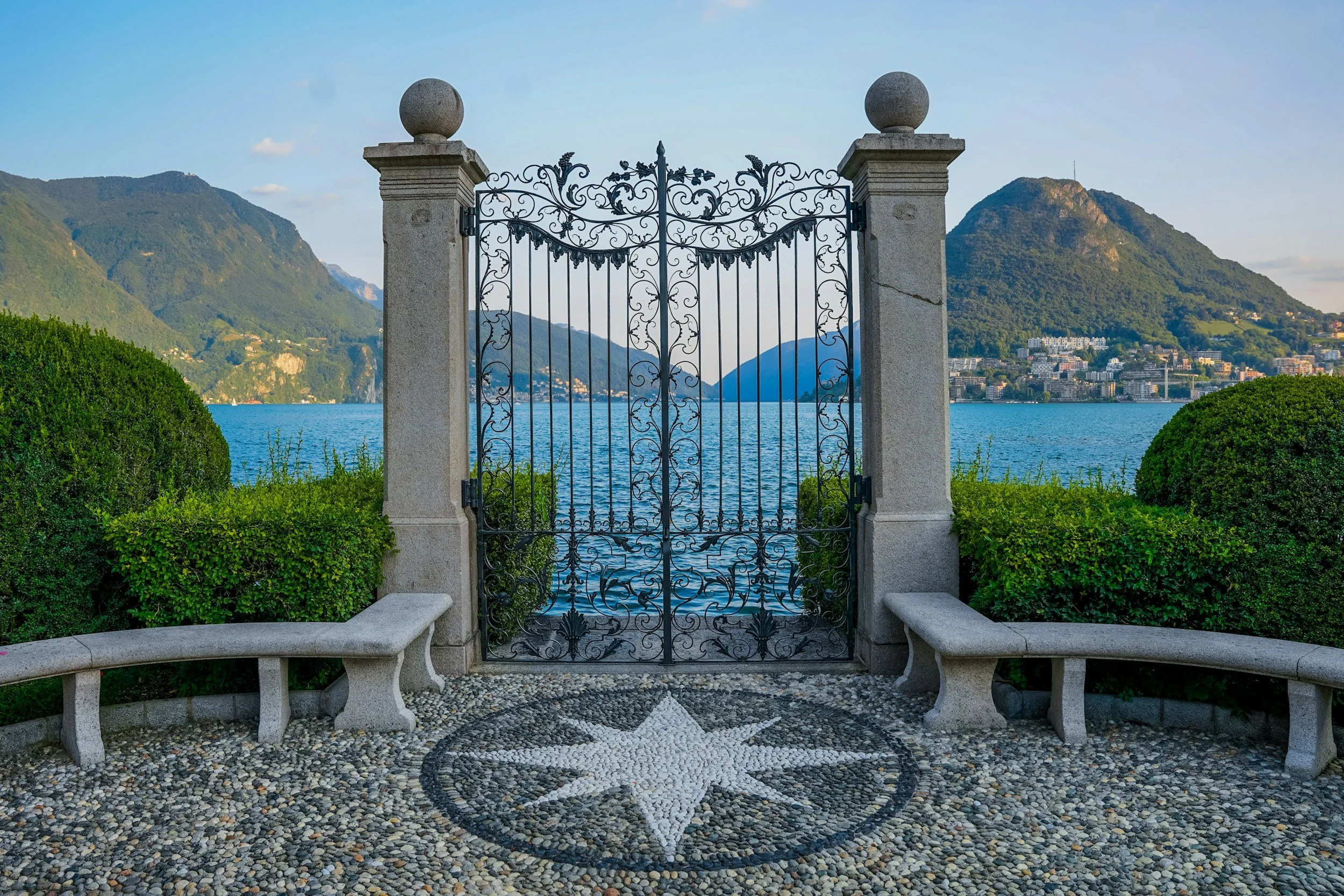
The dynamic is even more pronounced in the exclusive lakefront and rural micro-markets, where geography enforces a natural monopoly on supply. Wealthy buyers intending to buy private villa lake como or an historic estate in the Tuscan countryside must recognize that frontline real estate in these locations is an entirely finite resource. Because the physical topography prevents new development and strict heritage preservation laws limit structural modifications, owners of these generational assets rarely feel a financial compulsion to liquidate. When a divestment does occur, it is executed through quiet, non-brokered inquiries within a select circle of advisors. Public listing on a standard portal is viewed by the local elite as a sign of financial distress or structural compromise, which actively depreciates the asset’s perceived market value.
To successfully unlock this parallel market, investors must replace the passive browsing of open platforms with a proactive strategy rooted in local institutional intelligence. Bypassing the systemic inefficiencies of the Italian brokerage network requires an exclusive buying agent who operates purely on the buy-side, eliminating the inherent conflicts of interest found in traditional agencies. By acting as a dedicated advocate, a professional property finder continuously synthesizes data across private banking networks, legal firms, and family offices, translating abstract capital requirements into precise physical acquisitions. Ultimately, securing a truly elite asset in Italy is not an administrative exercise in filtering public listings, but a process of strategic positioning within a highly guarded ecosystem where the most valuable opportunities are those that technically do not exist.
